
Lymphatic drainage
Lymphatic drainage: who is it for and what is it for?

By Morgane
· 7 min read
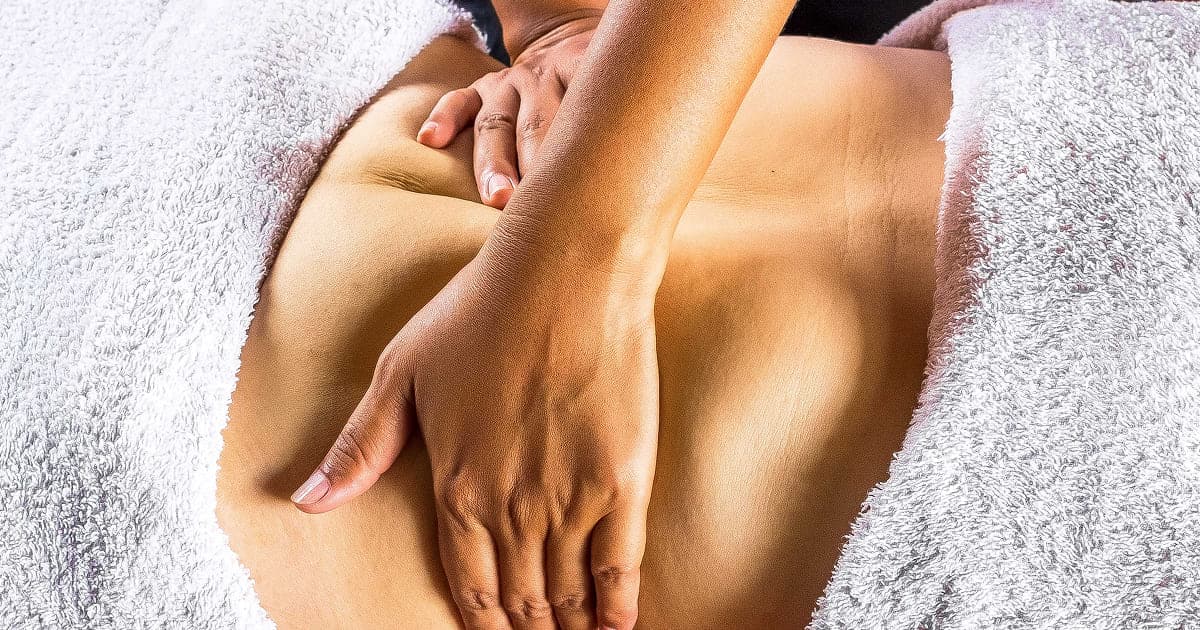
Lymphatic drainage has become a benchmark of well-being and body care. Yet behind this sometimes overused term lies a fascinating biological system that is essential to our health. Unlike blood, which is pumped throughout our body by the power of the heart, lymph (the transparent fluid that carries the body's waste and toxins) has no central pump. It relies solely on the movement of our muscles and our breathing to circulate.
When this circulation gets clogged or slows down (a sedentary lifestyle, hormones, heat, fatigue), the body swells, stores, and tires. This is where manual lymphatic drainage steps in like a starter to get the machine running again. But among the various existing methods, how do you find your way, what are the real benefits, and who is it really for?
Vodder vs Renata: two schools, one shared goal
On the treatment map, two major manual techniques compete and complement each other, offering distinctly different experiences and results.
The Vodder method: gentleness and medical precision
This is the historic method, known and recognized by the medical world for its extreme gentleness and great technical precision. Here, there is no firm pressure and no pain. The movement is slow and rhythmic, like a wave that gently shifts the skin to open up the small lymphatic channels.
- Who is it for? It is ideal for people with significant water retention, lymphatic or venous circulation issues, as well as during pregnancy to relieve mothers-to-be. It is also the leading method for very sensitive skin and for post-operative care (after cosmetic or medical surgery) to reduce bruising and swelling.
The Renata Franca method: dynamism and immediate results
Unlike the gentleness of Vodder, the Renata method has earned its golden reputation thanks to much more toning, brisk, and deep movements. Here we are on a sustained rhythm that literally sculpts the body.
- Who is it for? This technique comes into its own in treatments with an aesthetic aim. It visibly improves skin texture, acts on the appearance of cellulite by unclogging fat cells, and offers an absolutely immediate feeling of lightness as soon as the session ends.
Wood therapy: the wooden ally to boost results
While the manual work of Vodder or Renata is essential to restart general circulation and empty the "reservoirs" of fluid, there is a particularly formidable complement to go even further: wood therapy (maderotherapy).
Originating in Colombia, this technique uses wooden tools of different shapes (ridged rollers, cubes, suction cups) specially designed to hug the body's curves. Far from being a mere gadget, wood therapy delivers a deep mechanical action that the hands cannot always reproduce with the same intensity.
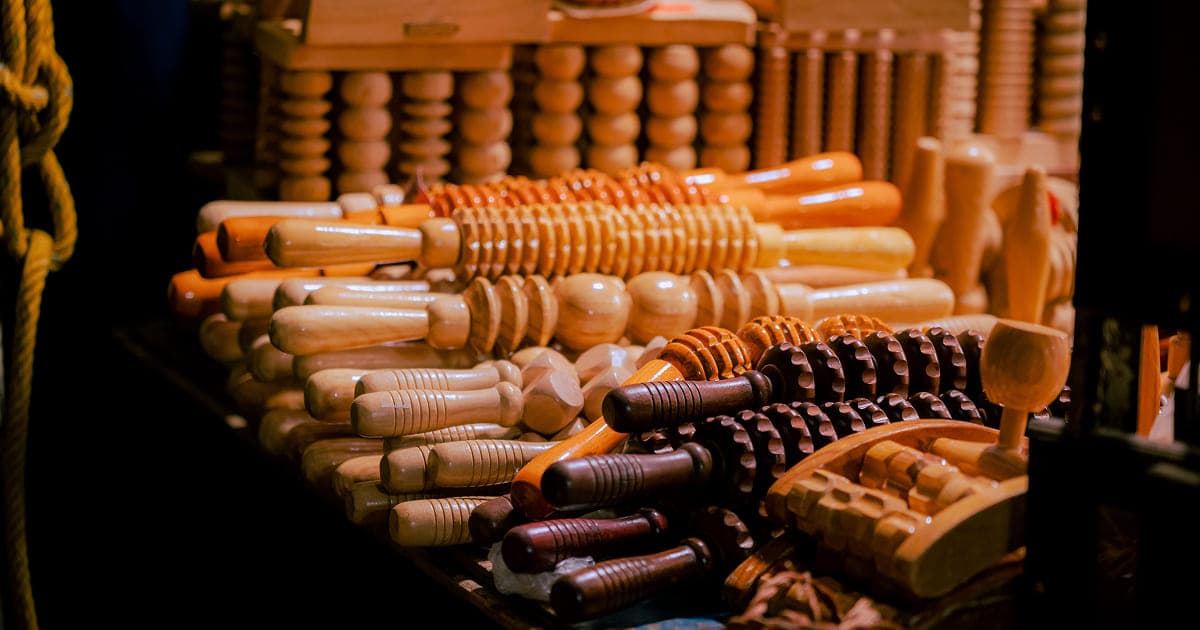
A targeted action on cellulite and stubborn fat
Where manual drainage moves fluids, wood therapy comes in to rub, break up, and loosen the embedded fatty deposits (the famous cellulite or orange-peel skin). The repeated passage of the wooden rollers creates hyperemia (a strong increase in local blood circulation) that reactivates dormant tissue and boosts collagen production.
The perfect combo with drainage
Combining wood therapy with manual drainage guarantees a complete treatment:
- The wooden tools do the "heavy lifting" by breaking up the dimpling and softening the tissues.
- Manual drainage then takes over to collect all the released waste and water, then direct them toward the lymph nodes so the body can eliminate them.
It is this synergy that delivers smoother skin texture, a sculpted body, and much faster results on the appearance of the silhouette.
What benefits can you realistically expect?
Treating the lymph and the tissues is not just a surface-level care; its effects are felt from the inside and seen on the outside. After one or several sessions, the benefits are many:
- Renewed lightness: This is the first effect of the treatment. Heavy, aching legs become light and mobile again.
- A powerful diuretic effect: Don't be surprised if you have to rush to the bathroom right after your session. The treatment gets the fluids moving again, and the body actively eliminates excess water through the kidneys.
- Top-notch digestion and transit: By massaging the abdomen and releasing toxins, it stimulates the digestive system, reduces bloating, and gets a sluggish transit going again.
- A radiance and de-puffing effect: Used on the face or body, the treatment de-congests the tissues. The face is de-puffed, the features are smoothed, and the skin regains its glow.
- A change in the silhouette: Thanks to repeated sessions over several months, people often see a loss in waist or thigh circumference. By removing stagnant water and smoothing cellulite, the body is visibly redrawn.
A word of caution: drainage is not for everyone
Although this treatment is synonymous with well-being, it is a powerful therapy that sets large volumes of fluid back in motion. It is therefore not suitable for everyone, nor at every stage of life. As a precaution, there are several strict contraindications:
- Skin conditions: Acute skin infections, wounds, or inflammatory flare-ups on the area to be massaged.
- Arterial and venous disorders: A suspicion of phlebitis or recent thrombosis is an absolute contraindication, to avoid dislodging a clot.
- Cancer treatment journey: During periods of chemotherapy, radiotherapy, or sometimes hormone therapy, drainage must be avoided or strictly supervised with written medical approval from the oncologist.
- Severe heart or kidney failure: Since the heart and kidneys have to filter and pump the excess water released by the massage, they must not be overloaded if these organs are already weakened.
- Pregnancy: Not advised during the first trimester; allowed afterward, but the abdominal areas must be avoided or treated very gently.
The secret to success: consistency and a healthy lifestyle
Just as a single workout won't sculpt your abs, one treatment alone won't work miracles in the long run. The value lies above all in the continuity of the sessions. The more consistent you are, the more visible, deep, and lasting the results become over time. It is often recommended to start with an intensive course (several closely spaced sessions) before spacing them out for maintenance.
To maximize and prolong the effects of your appointments, the treatment must become the partner of an overall healthy lifestyle:
- An anti-inflammatory plate: Favor a balanced diet, rich in antioxidants and leafy greens and low in salt and processed products, which are the best friends of water retention.
- Suitable physical activity: Walking, swimming, or cycling activate the calf muscle pump, essential to help fluids move back up naturally.
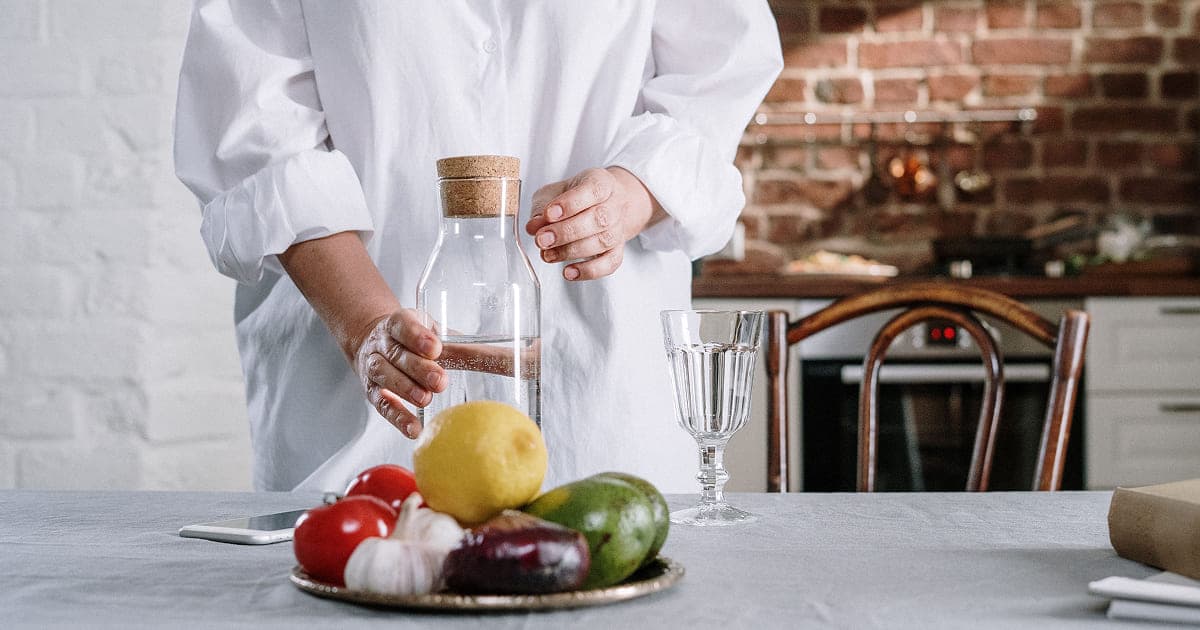
- Tailored hydration: It may seem contradictory, but to flush out stagnant water, you have to drink! Optimal hydration helps your kidneys eliminate the drained toxins.
- Self-stimulation rituals at home: Extend the treatment at home with simple gestures, like running cool water over your lower limbs from bottom to top at the end of your shower, or doing light circular self-massages behind the knees.
Which method should you choose to start?
Manual lymphatic drainage, combined with the sculpting action of wood therapy, is much more than an aesthetic trend. It helps the body regain a lighter frame and a lighter internal system. The gentleness of the Vodder method, the energy of the Renata method, and the power of the wooden tools all deliver on their promises, provided you give them the consistency they deserve.
At the Pilates Tamarin studio, Morgane helps you choose the technique suited to your body. To discuss it or book a first session, discover lymphatic drainage.
Want to join Pilates Tamarin?
Small group classes · Personalized therapeutic approach · Intimate studio in Tamarin
Book a session →Written by
Morgane
State-certified physiotherapist in France, certified Pilates instructor and founder of Studio Pilates Tamarin. Passionate about conscious movement and women's well-being, Morgane has been supporting her students with a gentle therapeutic approach for over 8 years. She lives and teaches in Tamarin, in the heart of Mauritius.
5.0 · 33 reviews