
Lymphatic drainage
Lymphatic system: heavy legs and heat in Mauritius

By Morgane
· 5 min read
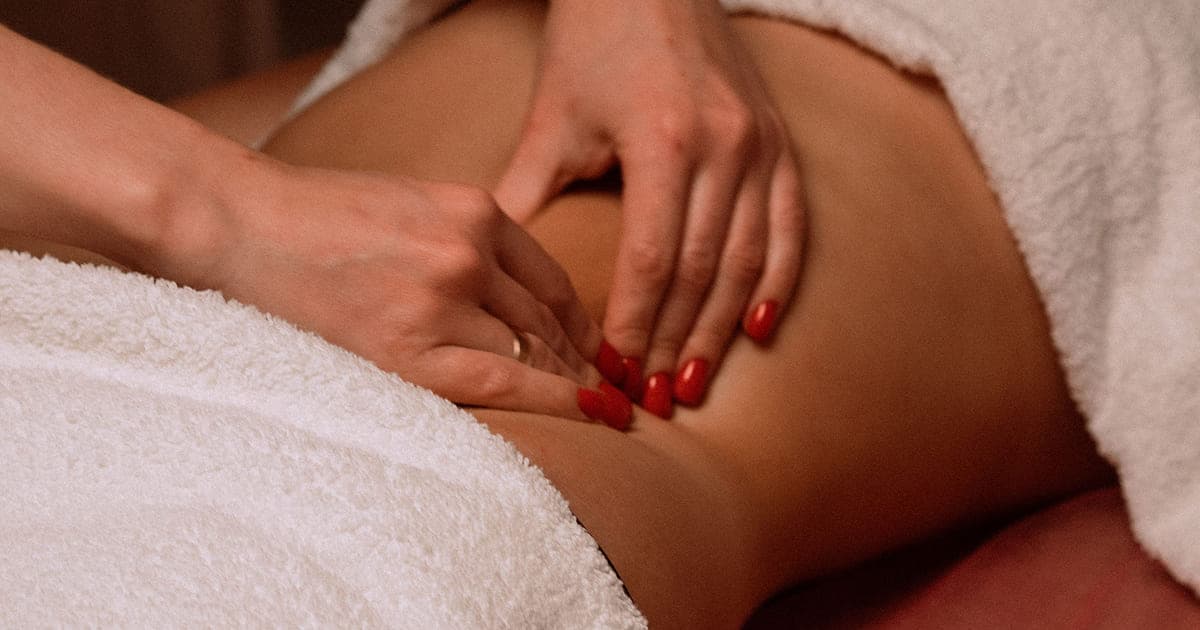
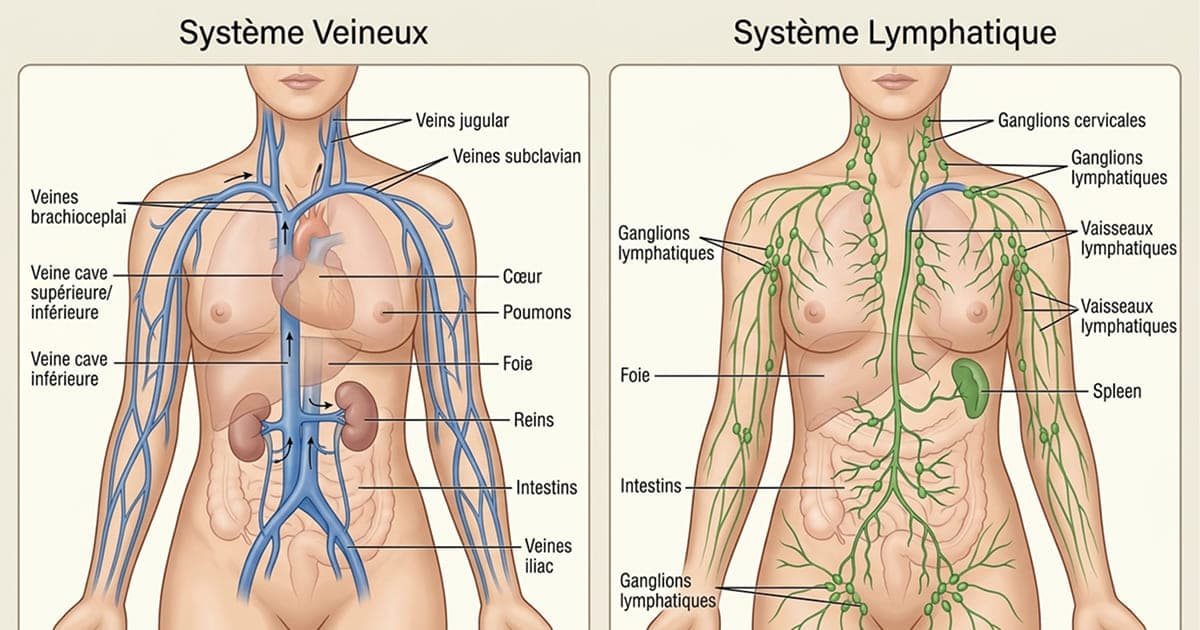
The venous system is familiar to everyone but its essential twin is easy to forget: the lymphatic system.
It is one of the pillars of immunity and of physical comfort. Day after day it carries out a double mission: draining fluids out of the body and defending it against infection and attack. Under the climate of the west coast of Mauritius, it works harder than elsewhere.
A complete, tailor-made network
The lymphatic system rests on a precise organisation where every element has its role:
- Lymph: It starts out as a fluid that escapes from the tiny blood capillaries to bathe the space between your cells. It brings nutrients and proteins to the tissues while loading up with waste: damaged cells, bacteria, viruses or foreign particles.
- Lymphatic vessels: Larger than capillaries but finer than veins, they run through the whole body. They are fitted with small valves (one-way flaps) that force the lymph to travel back in one direction only: towards the heart.
- Lymph nodes: Small bean-shaped organs spread throughout the body, near the surface (neck, armpits, groin) or deeper down (in the abdomen in particular). They collect the excess lymph and help it return to the venous system.
- The collecting ducts: Two large vessels located under the collarbones that release the filtered lymph straight back into the venous network.
- The allied organs: The thymus, the bone marrow, the spleen, the tonsils, the appendix and Peyer's patches (in the small intestine). Together they produce and train specialised white blood cells to neutralise threats.
The 2 key roles to remember
- Cleaning and recycling: Most of the fluid bathing your cells is reabsorbed by the capillaries but the rest is picked up by the lymphatic vessels. The lymph then travels to the nodes to be filtered completely before being injected back into the blood, clean.
- The defence squad: The nodes act as control centres. Packed with white blood cells, they capture and destroy abnormal cells, microbes or foreign particles before they can spread.
Heavy legs, heat, humidity and cellulite: what actually happens
When the lymph struggles to move back up or stagnates in the tissues, the consequences quickly become visible and easy to feel.
1. The heat and humidity effect: why your legs swell in Mauritius
Under the effect of heat or of a hot, humid climate, the body tries to cool itself down: the blood and lymphatic vessels dilate (vasodilation).
- The result: the walls become more permeable and let more fluid escape into the tissues.
- Since the lymphatic network has to handle a larger volume while the dilation slows the fluid on its way back up, the excess pools at the lowest point under the effect of gravity. That is when thickened ankles, tight calves and the feeling of heavy legs appear.
From January to March, when the humidity rises in Tamarin, the phenomenon is hard to ignore: ankles show marks at the end of the day and shoes feel tight in the evening.
2. Stagnation and water-retention cellulite
Cellulite is not always linked to a build-up of fat! There is such a thing as water-retention cellulite, caused directly by fluid retention and poor lymphatic circulation.
- When lymph stagnates between the cells, the tissues become engorged with fluid and with toxins that are not being cleared.
- This oedema compresses the tissue under the skin, creates local inflammation and distorts the surface of the skin, giving that dimpled or "orange peel" look, often with a leg that hurts when you press on it.
3. How do you restart the natural pump?
Unlike blood, which the heart propels, lymph has no pump of its own. To fight gravity and climb from the feet back up to the heart, it relies on two main engines:
- Muscle contraction: With every step, the roll of the foot and the work of the calves squeeze the lymphatic vessels to push the fluid upwards.
- Diaphragmatic breathing: Deep breathing creates a suction effect in the abdomen that helps draw the lymph back up.
- Manual drainage and targeted movement: They clear out the excess stagnant water, undo the congestion in the tissues and speed up the return of the lymph towards the nodes.
That last point is where Morgane comes in at the Tamarin studio, with manual lymphatic drainage or the Madero technique, often for clients who arrive from Black River or Flic en Flac with swollen legs after their day.
When the system runs into real medical obstacles
Beyond everyday fluid retention, the lymphatic network can suffer more serious imbalances:
- Blockage (obstruction): If vessels or nodes are damaged or removed (surgery, radiotherapy, injury), the lymph builds up permanently: that is lymphoedema. (! different from lipoedema, which is being talked about a lot at the moment and will be the subject of a future article).
- Inflammation or infection: When the nodes are actively fighting a microbe, they increase in volume and become tender (lymphadenitis).
- Leaks: After trauma or surgery, a damaged vessel can let lymph escape into the surrounding tissue.
- Tumours: The nodes can be the site of specific cancers (lymphomas) or act as a stopping point for cancer cells that have travelled (metastases).
In the vast majority of cases, what makes legs heavy stays benign: heat, standing still and a lymphatic network that struggles to keep up. Moving, breathing deeply and getting things circulating are often enough to find light legs again at the end of the day. When swelling settles in on one side only, no longer goes down after a night's rest or appears following surgery, that calls for medical advice before any comfort treatment.
Want to join Pilates Tamarin?
Small group classes · Personalized therapeutic approach · Intimate studio in Tamarin
Book a session →Written by
Morgane
State-certified physiotherapist in France, certified Pilates instructor and founder of Studio Pilates Tamarin. Passionate about conscious movement and women's well-being, Morgane has been supporting her students with a gentle therapeutic approach for over 8 years. She lives and teaches in Tamarin, in the heart of Mauritius.
5.0 · 27 reviews